
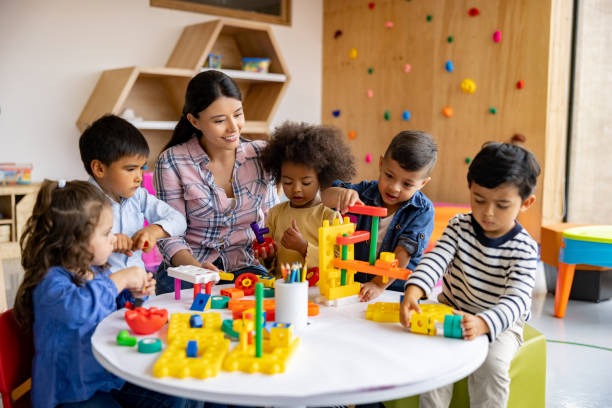
Ever watched a group of kids playing and noticed the mini-dramas unfold? “My turn!” “No, my turn!” “I want to be the red car!” These aren’t just squabbles; they’re crucial learning moments. Believe it or not, the seemingly simple act of playing is a powerhouse for teaching kids fundamental life skills like making choices and, perhaps even more importantly, taking turns. These aren’t just polite manners; they’re foundational for social-emotional development, empathy, and even problem-solving. Through play, children learn the give-and-take of relationships in a safe, engaging environment. To dive a little deeper into the profound impact of play on development, check out this insightful article from the NAEYC (National Association for the Education of Young Children): The Power of Playful Learning in the Early Childhood Setting.
The Power of Choice: My Game, My Rules (Sometimes!)
From deciding which toy to pick up first to inventing an elaborate imaginary world, play is inherently about choice. For little ones, making choices builds a sense of agency and independence.
- Empowerment: When a child chooses which blocks to use or what role to play in a pretend game, they feel in control. This builds self-esteem and confidence.
- Consequence & Learning: If a child chooses to build a tower that’s too tall and it topples, they learn about gravity and structural integrity. If they choose to hog all the best art supplies, they might find their friends walking away, learning about social consequences. These are low-stakes ways to understand cause and effect.
- Problem-Solving: Deciding how to overcome an obstacle in a game (“Do we go under the blanket or over the couch?”) involves critical thinking and flexible decision-making.
Encourage choices during play by offering options (“Do you want to play with the cars or the dolls?”) or asking open-ended questions (“What do you want to do next with this fort?”). This strengthens their decision-making muscles.
Taking Turns: The Ultimate Social Skill Workout
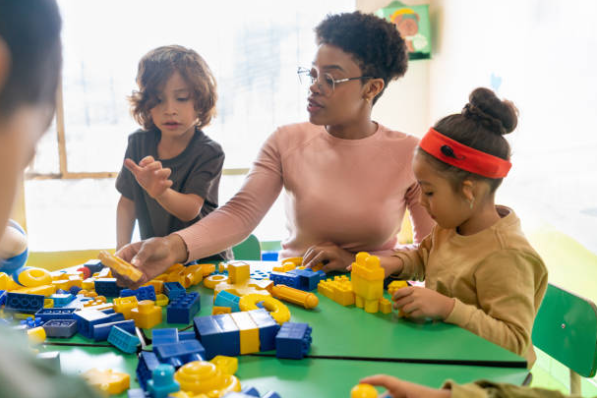
“My turn” is probably one of the most uttered phrases in early childhood, and for good reason. Learning to take turns is a monumental developmental leap. It’s not just about waiting; it’s about understanding others’ perspectives, delaying gratification, and participating in a shared experience.
- Empathy in Action: When a child waits for their friend to finish a puzzle or swing, they’re starting to understand that others have desires and needs just like them. They learn that everyone deserves an opportunity.
- Delayed Gratification: This is a big one! Waiting for a turn teaches patience and self-regulation – crucial skills for school and life. It’s a foundational step in impulse control.
- Cooperation & Collaboration: Games that require turn-taking (like board games, rolling a ball back and forth, or even just sharing a toy) foster cooperation. Kids learn that playing together is often more fun than playing alone. They learn to follow rules and respect boundaries, which are critical for any group activity.
- Conflict Resolution: What happens when two kids want the same toy? Learning to take turns often involves negotiation, compromise, and finding solutions – essential skills often practiced with adult guidance during playtime.
Play is truly a child’s work, and within its joyful chaos, they build the social and emotional muscles they’ll use for a lifetime. By understanding these powerful lessons in choice and turn-taking, we can better support our children’s healthy development.
At Golden Child Development Center, we believe in the power of play to nurture well-rounded, confident children. Our programs are designed to provide engaging environments where kids naturally develop these crucial social and cognitive skills.
📍 Golden Child Development Center
🏠 Address: 1801 Spring Forest Rd, Raleigh, NC 27615
📞 Office: (919) 878-9927
📱 Cell: (919) 621-9186
📧 Email: goldenchild1801@gmail.com