

Ever catch your toddler singing “Twinkle, Twinkle, Little Star” or giggling at a silly rhyming book? It’s more than just cute; it’s their brain doing some amazing pre-reading gymnastics! Those catchy rhymes aren’t just for fun (though they’re definitely fun!); they’re actually one of the most powerful tools you have to set your child up for reading success. Seriously, it’s like magic. If you want to dive deeper into why early literacy skills, like rhyming, are so crucial, check out this excellent resource from Reading Rockets: Phonological Awareness: An Important Step Toward Learning to Read
What’s the Big Deal About Rhyming?
Rhyming is a foundational part of phonological awareness. That’s a fancy term for understanding the sound structure of language, completely separate from letters. Before a child can decode letters into words, they need to hear the individual sounds within words and recognize patterns. Rhyming teaches them that:
- Words are made of smaller sound chunks: “Cat” and “hat” sound similar at the end.
- Language has rhythm and patterns: This makes it easier to remember and predict words.
- They can manipulate sounds: Eventually, they’ll learn to change sounds to make new words (“cat” to “mat”).
This “ear training” is absolutely essential before they ever pick up a book to sound out words.
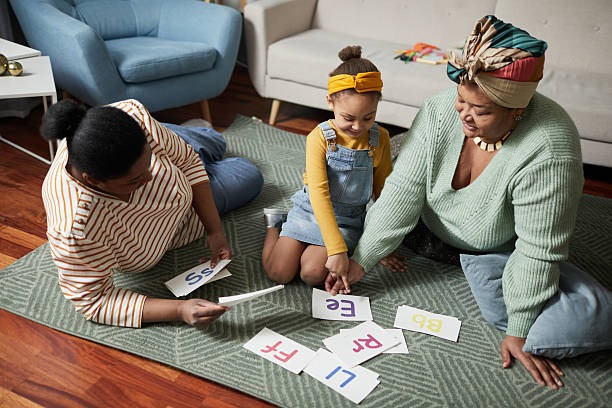
Super Simple Rhyming Games You Can Play Anywhere!
The best part? You don’t need flashcards or fancy toys. Rhyming games happen organically in your everyday life!
1. The Silly Word Game
- How to Play: Pick a simple word, like “cat.” Then, just start listing words that rhyme, even if they’re silly and not real words! “Cat, hat, mat, sat, fat… zat, splat, prat!”
- Why it Works: It removes pressure and focuses purely on the sound. Your child learns that words don’t have to make sense to rhyme.
2. Rhyming Scavenger Hunt
- How to Play: Say, “I’m looking for something that rhymes with ‘chair’!” (e.g., “bear”). Or, “Can you find something that rhymes with ‘sock’?” (e.g., “block”).
- Why it Works: It makes rhyming concrete and connects it to objects in their environment, boosting vocabulary and observation skills.
3. Sing-Along & Finish the Rhyme
- How to Play: Sing familiar nursery rhymes, then pause before the rhyming word and let your child fill it in. “Twinkle, twinkle, little…” (star!). Or, “Hickory, dickory, dock, the mouse ran up the…” (clock!).
- Why it Works: Nursery rhymes are natural rhyming teachers. This game builds prediction skills and reinforces known rhymes.
4. Rhyming Story Time
- How to Play: Read lots of rhyming books! Point out the rhyming words as you read. “Look, ‘mouse’ and ‘house’ sound the same at the end!”
- Why it Works: Kids learn rhyming naturally through exposure to rhyming stories, building a love for books in the process.
The Power of Play
Remember, these aren’t tests. They’re joyful, playful interactions that build critical foundations for reading without your child even realizing they’re “learning.” Every time you make up a silly rhyme or sing a rhyming song, you’re paving the way for a future reader. So go ahead, get silly, get rhyming, and watch their language skills blossom!
At Golden Child Development Center North Carolina, we know that early literacy isn’t just about ABCs; it’s about making language fun! Our engaging, play-based curriculum is designed to naturally incorporate essential pre-reading skills like rhyming, storytelling, and vocabulary building every single day. We create an environment where children fall in love with words and develop a strong foundation for reading success.
Schedule Your Tour at Golden Child Development Center North Carolina Today!
📍 Golden Child Development Center
🏠 Address: 1801 Spring Forest Rd, Raleigh, NC 27615
📞 Office: (919) 878-9927
📱 Cell: (919) 621-9186
📧 Email: goldenchild1801@gmail.com